Museum collections

Our museum collections Online museum collections


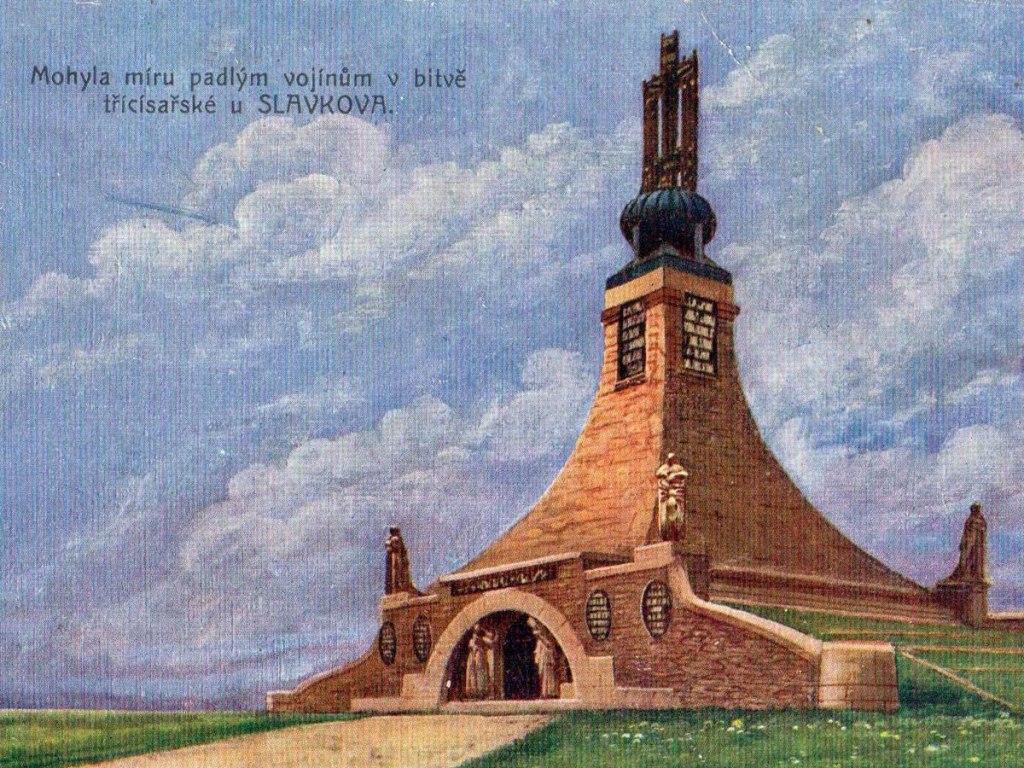
The origin of the Cairn of Peace Memorial's collection can be traced back to the construction of the museum building. Initially, the collection consisted of objects found across the vast Austerlitz battlefield (such as horseshoes, religious medals, cannonballs, etc.). Thanks to the activities of the Committee for the Establishment of a Dignified Ossuary on the Completely Abandoned Austerlitz Battlefield, a number of valuable items were purchased in the 1920s and displayed in the museum building. During World War II, most of the objects were stored outside the museum. Unfortunately, these collection items—which we now know about only from the accounts of contemporary witnesses—did not return to the Cairn of Peace museum after 1945 and were irretrievably lost. The shortage of collection items was subsequently compensated for by loans, particularly from the Military History Museum in Prague, which also formed the core of the new, post-war exhibition.
A rigorous inventory of the collection did not take place until 1968, by which time the items borrowed from the Military History Museum had already been returned, and a number of collection items had simultaneously been transferred to other institutions. In 1996, a curator was appointed for the Cairn of Peace Memorial collection, and their efforts, especially regarding the enrichment of the small collection, continue to be built upon today.
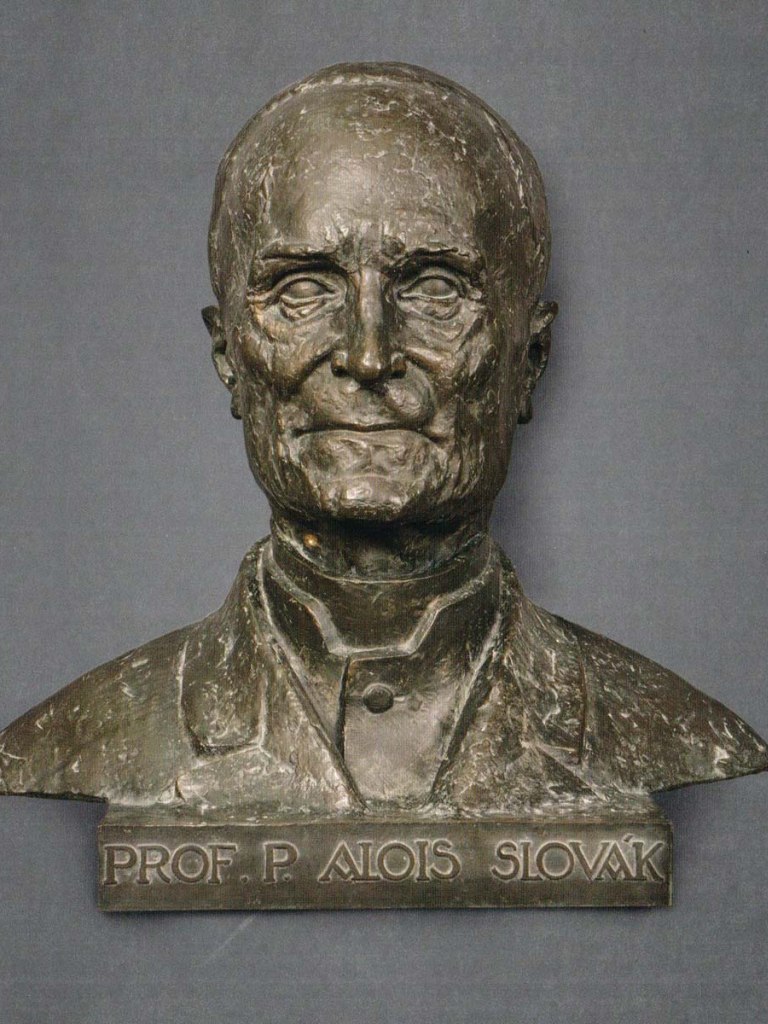
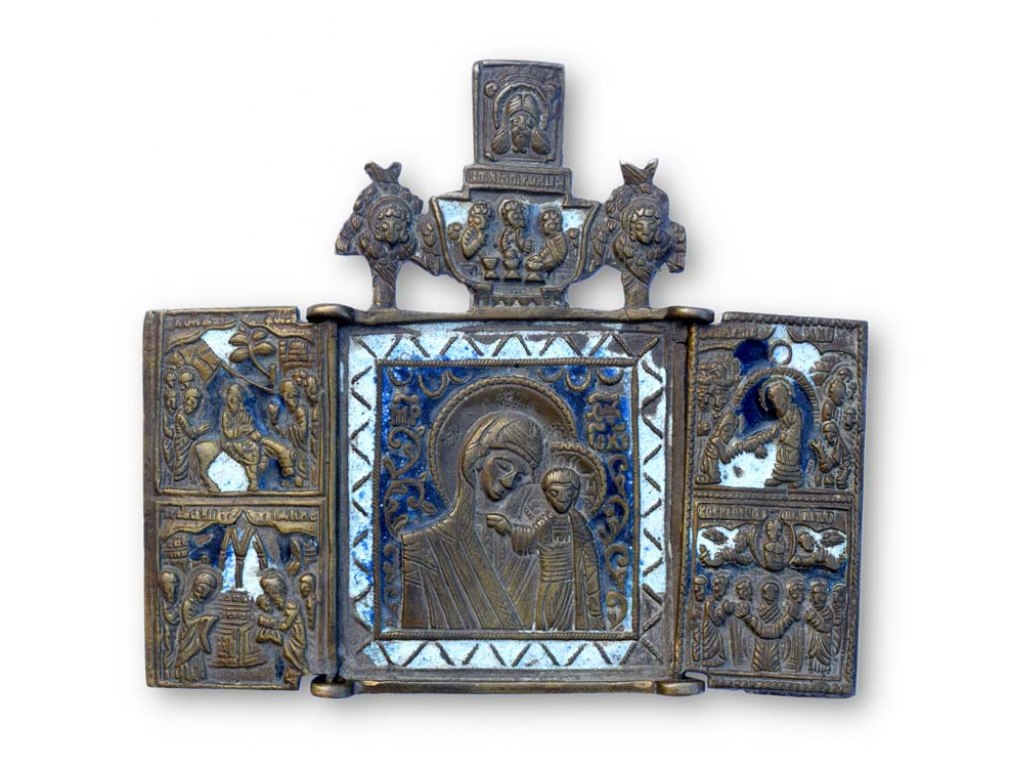
Today, the collection comprises 691 inventory numbers, under which around 1,900 collection objects can be found. Paper is heavily represented in the collection in the form of books, prints, engravings, archival documents, postcards, and posters. A specific group within this category consists of photographs and glass negatives. Furthermore, metals—both ferrous and non-ferrous—are represented in the collection, including archaeological material, coins, medals, and, last but not least, weapons. The collection also includes paintings, specifically oil paintings on canvas. Other materials present to a lesser extent include leather, textiles, wood, as well as audio and video media. Part of the collection is on display in the "Battle of the Three Emperors 1805" and "The Austerlitz Phenomenon" exhibitions at the Cairn of Peace Memorial museum.


partner jihomoravsky kraj partner asociace muzeii partner cesky rozhlas icom prague 2022 top jizni morava IDS - JMK partner kudy z nudy partner webarchiv

All Rights Reserved Muzeum Brněnska © 2020, Webdesign by LE CLAVERA s.r.o.

Information about cookies

When you click on "Accept all cookies", you are giving your consent for cookies to be stored on your device to help with site navigation, data usage analysis and our marketing efforts.

Cookie settings


We use the following cookies

When you visit any website, it is likely that the site will obtain or store information on your browser, usually in the form of cookies. This may be information relating to you, your preferences and the device you are using. Most of the time this is used to improve the site so that it performs to your expectations. The information does not usually identify you as an individual, but overall it can help to tailor the environment to your needs. We respect your right to privacy and you may choose not to accept some cookies. By clicking on different titles, you will learn more and be able to change your settings. However, please remember that by blocking some cookies you can affect how the site works and what services are offered to you.

These cookies are necessary for the Website to function, so it is not possible to disable them. They are usually set in response to an action you take on the Website, such as security settings, logging in, filling in forms. You can set your browser to block cookies or send notifications about cookies. Keep in mind that some sites will not function without these files. These cookies do not store any information attributable to a specific person. These cookies may be set by us or by third party providers whose services we use on the Site. These cookies do not store any personally identifiable information.
These cookies are used to improve the functioning of the Website. They allow us to recognise and track the number of visitors and to monitor how visitors use the Website. They help us to improve the way the Website works, for example by enabling users to easily find what they are looking for. These cookies do not collect personally identifiable information. We use these tools to analyse and regularly improve the functionality of our Website. We may use the statistics obtained to improve the user experience and to make your visit to the Website more interesting for you as a user.